Based on a campaign run in Belgium in 2003, Europe’s Energy Neighborhoods was a program designed to allow neighborhoods to ‘bet’ with their municipalities that they could reduce e…
Medicine Hat, a city in western Canada with a municipally owned utility, was interested in exploring how consumers would respond to receiving information on their home’s heat loss…
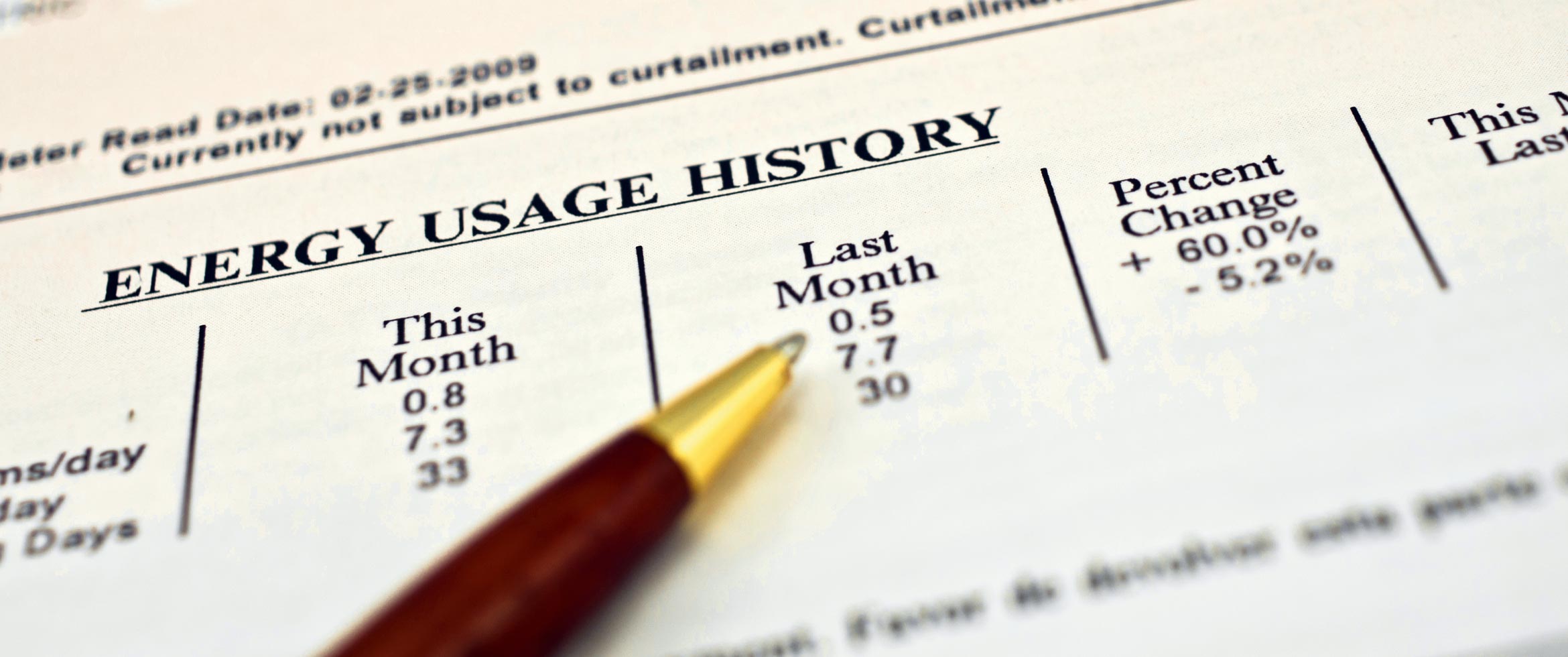
In 2009, Opower, an energy information software company, partnered with a Minnesota utility company to provide residential customers of the utility company with customized home en…
Developed by the non-profit SEI, California’s Energy Conservation Competition aimed to change behaviors around lighting, plug-loads, and mechanical systems by working with teacher…
In 2009, the ClimateSmart Home Service program was launched by Local Government Infrastructure Services (LGIS) in Queensland, Australia. This program aimed to reduce the electrici…
Chicago’s Go Program was designed to help residents walk, bike, ride transit, and use bike share more frequently while driving alone less often. Outside of promoting alternative f…
Developed in the Region of Peel, Ontario, Stepping It Up was a program designed to reduce car traffic and increase walking and cycling to school by working with elementary school …
Hi everyone,
Last year, the World Bank published a report entitled "Behavioral science around the world: Profiles of 10 countries". They provide details on what these 10 countrie…
It is widely recognized that communications that activate social norms can be effective in producing societally beneficial conduct. Not so well recognized are the circumstances un…
Investigated the effect of feedback conditions, income constraints, behavioural/structural aspects, environmental attitudes, and socio-demographics on energy consumption for 120 h…